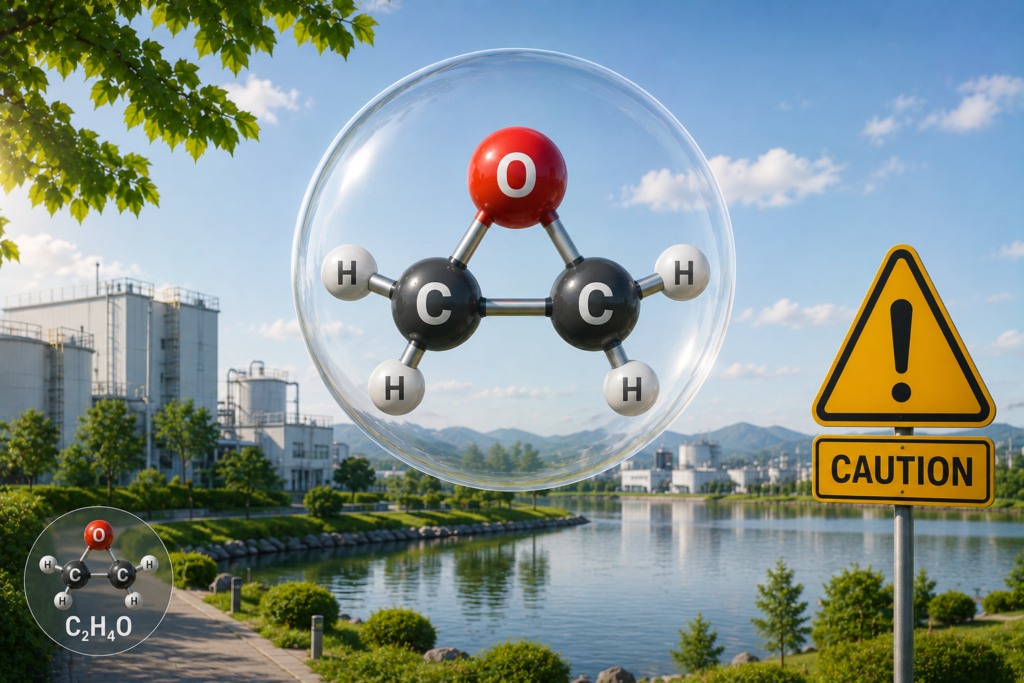
Acetaldehyde Gas Safety – Exposure Risks, Health Hazards & Industrial Safety Guide
What is Acetaldehyde Gas Safety?
Acetaldehyde Gas Safety refers to the industrial safety procedures, exposure prevention methods, gas monitoring systems, and workplace protection strategies used when handling Acetaldehyde.
Acetaldehyde is a volatile, flammable, colorless chemical compound with a strong fruity odor. It is widely used in chemical manufacturing, plastics production, perfumes, paints, fuel processing, food flavoring, pharmaceutical manufacturing, and industrial synthesis applications.
Because Acetaldehyde presents serious health hazards including respiratory irritation, fire risks, neurological effects, and potential carcinogenic concerns, strict Acetaldehyde Gas Safety procedures are essential in industrial environments where exposure may occur.
Modern facilities handling Acetaldehyde require advanced ventilation systems, continuous gas detection, industrial monitoring equipment, explosion prevention systems, and emergency response procedures to maintain safe operations and regulatory compliance.
For official workplace safety information:
- OSHA Chemical Safety Information
- CDC NIOSH Chemical Hazards Guide
- EPA Hazardous Air Pollutants Information
Key Facts About Acetaldehyde
| Property | Information |
|---|---|
| Chemical Formula | C₂H₄O |
| Chemical Name | Acetaldehyde |
| Appearance | Colorless liquid or vapor |
| Odor | Fruity, pungent smell |
| Classification | Flammable & hazardous chemical |
| Main Hazard | Respiratory irritation and fire risk |
| Common Industries | Chemical manufacturing, plastics, pharmaceuticals |
| Exposure Risk | Inhalation, skin contact, vapor exposure |
Why Acetaldehyde Gas Safety is Important
Acetaldehyde combines multiple industrial hazards that require strict workplace safety controls.
Major Acetaldehyde Gas Safety Risks
- Flammable vapor hazards
- Toxic inhalation exposure
- Workplace fire risks
- Respiratory irritation
- Chemical vapor accumulation
- Environmental contamination risks
Even relatively low concentrations of Acetaldehyde vapor may create dangerous industrial conditions in enclosed or poorly ventilated areas.
Industrial facilities handling Acetaldehyde often implement:
- Fixed gas monitoring systems
- Real-time vapor detection
- Explosion-proof equipment
- Industrial ventilation controls
- Hazard communication systems
- Emergency shutdown procedures
Industrial Applications of Acetaldehyde
1. Chemical Manufacturing
Acetaldehyde is widely used as an intermediate chemical in industrial synthesis processes.
2. Plastics and Resin Production
Acetaldehyde is involved in producing plastics, synthetic resins, and industrial polymers.
3. Pharmaceutical Manufacturing
The chemical is used in pharmaceutical synthesis and laboratory production applications.
4. Paints, Coatings, and Dyes
Acetaldehyde derivatives are commonly used in industrial coatings and chemical processing.
5. Food and Flavor Industry
Small amounts of Acetaldehyde are used in flavoring agents and food-related manufacturing.
6. Fuel and Petrochemical Industry
Acetaldehyde may be generated during fuel combustion and petrochemical processing operations.
Acetaldehyde Gas Safety Hazards
Acetaldehyde exposure can affect multiple organs and body systems.
Exposure may occur through:
- Inhalation of vapors
- Skin contact
- Eye exposure
- Industrial leaks
- Chemical spills
- Workplace accidents
Immediate Short-Term Exposure Symptoms
| Respiratory Symptoms | Neurological Symptoms |
|---|---|
| Coughing | Dizziness |
| Throat irritation | Headaches |
| Chest tightness | Fatigue |
| Breathing difficulties | Confusion |
| Lung irritation | Nausea |
Higher concentrations may result in:
- Severe respiratory irritation
- Chemical burns
- Nervous system effects
- Loss of consciousness
- Pulmonary complications
- Fire and explosion injuries
Long-Term Health Effects of Acetaldehyde Exposure
Repeated or prolonged exposure to Acetaldehyde may contribute to serious long-term health effects.
Long-Term Risks Include
| Health Risk | Potential Effects |
|---|---|
| Respiratory Damage | Chronic breathing irritation |
| Neurological Effects | Nervous system symptoms |
| Eye & Skin Damage | Long-term irritation |
| Liver Effects | Organ stress and toxicity |
| Cancer Concerns | Possible carcinogenic effects |
Workers in chemical plants, manufacturing facilities, and fuel-processing industries may face elevated occupational exposure risks.
Industries with High Acetaldehyde Exposure Risks
High-Risk Industries
- Chemical manufacturing plants
- Pharmaceutical facilities
- Plastics production plants
- Petrochemical facilities
- Paint and coating industries
- Fuel processing operations
- Industrial laboratories
These industries require continuous workplace gas monitoring and industrial ventilation systems.
Acetaldehyde Gas Safety and Fire Risks
Acetaldehyde is highly flammable and may form explosive vapor mixtures in air.
Major Fire and Explosion Risk Factors
- Open flames
- Static electricity
- Poor ventilation
- Vapor accumulation
- Equipment failures
- Ignition sources
Because of these hazards, industrial facilities should maintain:
- Explosion-proof electrical systems
- Continuous vapor monitoring
- Emergency ventilation systems
- Industrial leak detection equipment
- Fire suppression systems
Acetaldehyde Gas Detection and Monitoring Systems
Real-time vapor monitoring is critical for industrial Acetaldehyde Gas Safety.
Benefits of Acetaldehyde Monitoring Systems
| Monitoring Function | Safety Benefit |
|---|---|
| Vapor leak detection | Prevents hazardous exposure |
| Alarm systems | Faster emergency response |
| Air quality monitoring | Improved worker safety |
| Process monitoring | Reduced industrial risks |
| Environmental compliance | Regulatory protection |
Modern gas detection systems can automatically activate alarms and ventilation systems when dangerous vapor concentrations are detected.
Personal Protective Equipment (PPE) for Acetaldehyde Gas Safety
Workers handling Acetaldehyde should always use proper protective equipment.
Recommended PPE
- Respiratory protection
- Chemical-resistant gloves
- Protective clothing
- Safety goggles
- Face shields
- Industrial protective footwear
Proper PPE significantly reduces chemical exposure risks during industrial operations and maintenance work.
Environmental Impact of Acetaldehyde
Acetaldehyde emissions may contribute to environmental pollution and atmospheric contamination.
Environmental Concerns
Air Pollution
Industrial emissions may contribute to hazardous air quality conditions.
Atmospheric Reactions
Acetaldehyde may participate in atmospheric chemical reactions that contribute to smog formation.
Industrial Emissions
Poor handling and accidental releases may create environmental contamination risks.
Workplace Exposure Monitoring
Continuous industrial air monitoring is essential for worker and environmental protection.
Symptoms of Acetaldehyde Poisoning
Recognizing symptoms early is critical for preventing severe exposure incidents.
Common Symptoms Include
- Eye irritation
- Burning throat sensation
- Severe coughing
- Shortness of breath
- Chest pain
- Headaches
- Dizziness
- Weakness
- Nausea
- Respiratory irritation
Emergency medical treatment may be required after significant exposure.
Acetaldehyde Gas Safety Emergency Procedures
Acetaldehyde leaks require immediate emergency response because of combined toxicity and flammability hazards.
Emergency Response Steps
- Evacuate affected areas immediately.
- Eliminate ignition sources.
- Ventilate contaminated spaces.
- Use self-contained breathing apparatus (SCBA).
- Stop the leak if safe to do so.
- Notify emergency response personnel.
- Monitor atmospheric conditions continuously.
Acetaldehyde Regulations and Compliance
Governments and occupational safety organizations enforce strict regulations regarding Acetaldehyde exposure and emissions.
Common Regulatory Areas
- Workplace exposure limits
- Industrial emission standards
- Hazard communication requirements
- Fire prevention regulations
- Environmental compliance monitoring
- Industrial air quality standards
Compliance is essential for worker safety, industrial protection, and environmental risk management.
Frequently Asked Questions About Acetaldehyde Gas Safety
Is Acetaldehyde dangerous?
Yes. Acetaldehyde is flammable and may cause serious respiratory irritation and health effects.
What does Acetaldehyde smell like?
Acetaldehyde typically has a fruity, sharp odor that may become irritating at higher concentrations.
Can Acetaldehyde cause health problems?
Repeated exposure may contribute to respiratory irritation, neurological effects, and possible long-term health concerns.
What industries use Acetaldehyde?
Industries including chemical manufacturing, pharmaceuticals, plastics production, and petrochemical processing commonly use Acetaldehyde.
How can workers improve Acetaldehyde Gas Safety?
Workers should use gas detection systems, PPE, industrial ventilation systems, and follow workplace safety procedures.
Conclusion
Acetaldehyde Gas Safety is essential for protecting workers, industrial facilities, and nearby communities from hazardous chemical exposure and fire risks.
Its combination of flammability, toxic vapor hazards, respiratory effects, and environmental concerns requires advanced industrial safety systems, continuous gas monitoring, ventilation controls, emergency preparedness programs, and strict occupational safety procedures.
From chemical manufacturing plants to pharmaceutical facilities and petrochemical operations, industries handling Acetaldehyde must prioritize industrial safety, toxic gas monitoring, environmental protection, and regulatory compliance to minimize workplace hazards and improve operational safety standards.
Related products and applications:
GASERA ONE FORMALDEHYDE
GASERA ONE PULSE
MULTIPOINT SAMPLER
10 FACTS ABOUT FORMALDEHYDE (HCHO)